
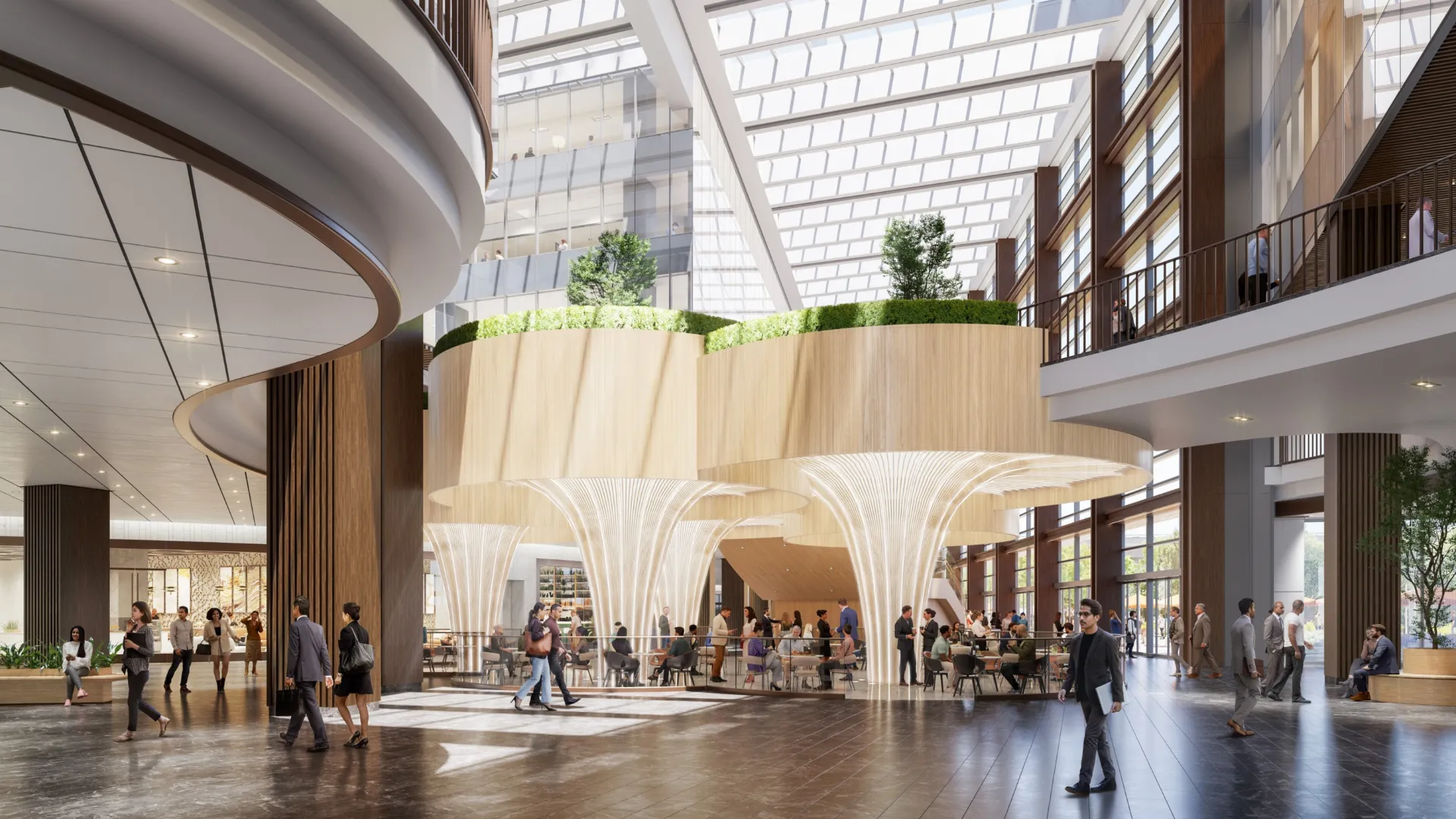
As the discipline moves toward 2026, architecture is undergoing a quiet but meaningful shift. The focus is no longer only on visual impact or technological advancement, but on how buildings respond to climate, context, and human experience. Design today is expected to be responsible, adaptable, and deeply aware of its long-term impact. This evolution reflects a broader understanding of what architecture must deliver in the years ahead.
Sustainability as a Design Responsibility
Sustainability has moved beyond intent and aspiration. It is now a measurable responsibility embedded into the design process from the outset. Architects are increasingly required to consider environmental performance, material sourcing, and lifecycle impact as core design parameters.
By 2026, sustainable thinking extends beyond energy efficiency to include embodied carbon, durability, and how buildings evolve over time. The emphasis is on creating spaces that perform well, age gracefully, and reduce their environmental footprint without compromising spatial quality.
Adaptive Reuse and Natural Building Materials
Working with existing buildings is becoming central to contemporary practice. Adaptive reuse is gaining importance as cities grow denser and the need to conserve resources becomes more urgent.
Rather than replacing structures, architects are finding value in transformation. Retaining character, memory, and material while introducing new functions allows architecture to respond to both environmental concerns and cultural continuity.
Material Honesty and Sensory Design
There is a renewed emphasis on materiality. Natural and low-impact materials such as timber, stone, and earth-based finishes are being used not as decorative elements, but as integral parts of the architectural language.
These choices support sustainability goals while also enhancing comfort and sensory experience. Architecture is becoming quieter, more tactile, and more focused on how spaces feel over time rather than how they photograph in the moment.
Biophilic Principles as a Design Standard
Access to daylight, ventilation, greenery, and views is increasingly seen as fundamental rather than optional. Biophilic design is being integrated across residential, commercial, hospitality, and institutional projects.
By 2026, these principles are expected to be standard practice, shaping healthier environments that support well-being and productivity in dense urban settings.
A Renewed Focus on Human Experience
At the core of these shifts is a renewed focus on people. Architecture is being evaluated not only on efficiency or aesthetics, but on comfort, adaptability, and emotional resonance.
Spaces are expected to support daily life, encourage connection, and offer moments of pause. Success is measured over time, through how buildings are used, experienced, and valued long after completion.
The future of architecture is defined by clarity and purpose. It favours restraint over excess, longevity over immediacy, and experience over spectacle.
As 2026 approaches, architecture continues to return to its fundamentals, shaped by contemporary challenges and informed by a deeper sense of responsibility toward people, place, and the environment.